
Alabama Catfish Trail Highlights Fishing and Food

fish

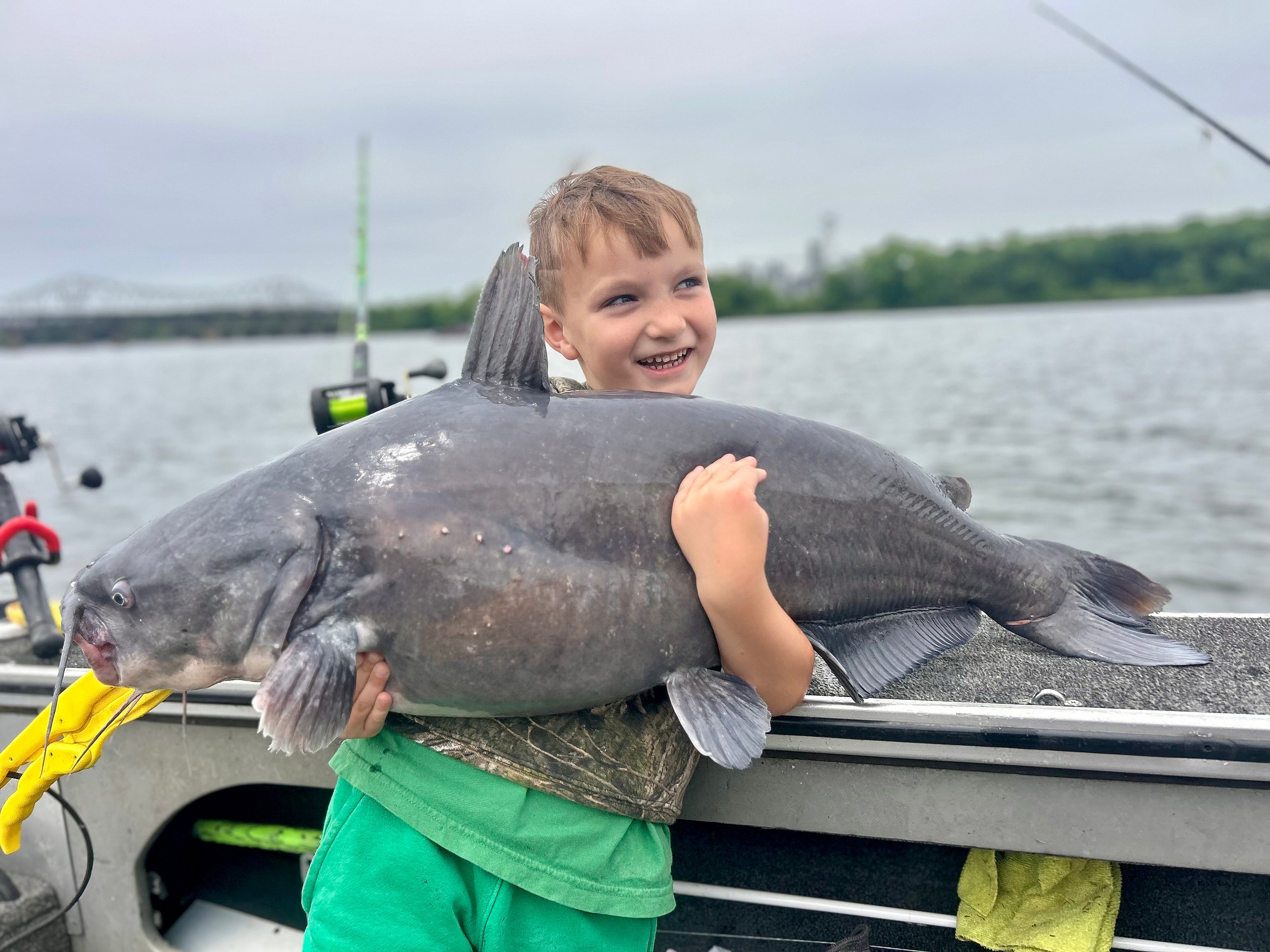
Catching big catfish evokes big smiles for Captain Mike Mitchell of SouthernCats Guide Service. Photo courtesy of Captain Mike Mitchell

By DAVID RAINER, Alabama Department of Conservation and Natural Resources

With catfish living in almost all of the freshwater streams, creeks, rivers and reservoirs in Alabama, the Alabama Tourism Department decided it was time to honor this ubiquitous species to officially open the Alabama Catfish Trail.

At a kickoff event in Birmingham recently, speakers celebrated what the numerous catfish species mean to anglers, catfish farmers and catfish restaurants throughout the state. 

“Catfish truly do run deep in Alabama, not just in our waterways but through our communities and our tables,” said Alyssa Hall (Aly from Alabama), who is known for her catfish noodling adventures. “This trail is not only a collection of destinations, it’s a celebration of people, places and traditions with catfish in Alabama from the waters where they are caught to the farms where they are raised to the tables for everyone to enjoy. The catfish trail will list more than 50 locations across our state and provide ways to experience Alabama’s culture, communities and outdoor heritage.

“If you spend much time in Alabama, you know that catfish is more than just a meal. It’s a cornerstone of our culture, from fish camps to church gatherings and community celebrations. Catfish has brought people together in Alabama for generations.”

Alabama Tourism Director Lee Sentell, the longest-serving tourism director in the nation, also announced at the kickoff that the Tourism Department is starting its latest promotion with the Year of Catfish. 

Alabama U.S. Senator Tommy Tuberville sent a video message to celebrate the Alabama Catfish Trail and what the fish means to everyone in the state.

“There’s nobody who loves a good, ol’ plate of Alabama catfish more than me,” Senator Tuberville said. “I love it. As a former catfish restaurant owner, I know how critical the catfish industry is to our great state. Alabama is at the forefront of national catfish production, and you create jobs that power our state’s economy, support our local communities and keep delicious catfish on our tables. You know, the Catfish Trail is a great opportunity to recognize and thank all of our farmers who drive this industry. 

“It’s also a chance to bring people together to connect with friends and family and enjoy Alabama’s waterways. Whether at a tournament competition or a simple, relaxing weekend on the river, the opportunities are endless. I hope every Alabamian takes advantage of this opportunity.”

Speaking of tournaments, the competition to catch the largest catfish is a regular event on the Tennessee River system with national and regional events scheduled. The other river systems – Alabama, Tombigbee and Coosa – as well as the state’s abundant lakes and reservoirs also provide great catfishing for tournament anglers and those who are fishing for supper.

The most popular catfish species for anglers are blue catfish, channel catfish and flathead (yellow) catfish. The farm-raised catfish are almost all channel catfish.

noodling

Aly and Cody Hall make hand-grabbing flathead catfish a family affair. Photo courtesy of Cody Hall

Matthew Marshall, Chief of Fisheries with the Alabama Department of Conservation and Natural Resources’ (ADCNR) Wildlife and Freshwater Fisheries (WFF) Division, said it was a pleasure to join in the kickoff for the Alabama Catfish Trail.

“It’s so exciting to be here to celebrate catfish in Alabama,” Marshall said. “Some of my fondest memories are from the banks of the Tallapoosa River and catfishing with my granddad and dad. Highlighting this is really important to all the communities in Alabama that use our resources for fishing and boating. At the Department of Conservation and Natural Resources, we have fisheries biologists out there in the field that are overseeing these catfish populations to ensure they are healthy and thriving.”

Marshall also thanked Conservation Commissioner Chris Blankenship for his leadership in greatly improving boating and fishing access throughout the state.

“He secured funding for our access program and the Alabama Public Fishing Lakes so the next generation of anglers can get out there and enjoy our natural resources that help support jobs and the economy,” he said. “Catfish means so much to the state of Alabama.

Several guides take advantage of the great catfishing in the state, including Captain Mike Mitchell of SouthernCats Guide Service (www.southerncatsguideservice.com) out of Russellville. The guide service, known for catching giant catfish, runs two boats with Mike’s son, Jackson, at the helm of one.

“What catfish means to me is that we do it for a living,” Mitchell said. “Our biggest fish is 117 (pounds). We’ve been doing this for 20-plus years. We fish anywhere from Bridgeport all the way over to Florence on the Tennessee. It’s just a passion of ours.

“On the conservation side, we had an organization that hired Matthew (Marshall) while he was still in college to tag fish during our tournaments,” Mitchell said, referring to WFF’s funding of fisheries research at Auburn University that included tagging fish at the catfish tournaments, which became Marshall’s master’s thesis. 

“From that study, we were able to get a 34-inch rule passed,” Mitchell said. “It says that you can keep only one catfish 34 inches or longer per day in the state of Alabama.

“As far as fish to eat, roughly 25% of our clients are after fish to eat. The rest are trophy fishermen. A big part of my heart is the trophy fish. We work with Matthew to keep those fish safe for future generations. Those are your 15-20-year-old fish, who can grow to 120 pounds. We’ve had clients catch them over 100 pounds. It’s regular that we catch fish over 50 pounds. That’s pretty common.”

On the farming side of the catfish equation, Townsend Kyser of Kyser Family Farms and Fran Pearce, called the First Lady of Catfish in Alabama, expressed what catfish has meant to generations of farming families.

“I’m a third generation catfish farmer,” Kyser said. “The catfish industry not only means a lot to my family, it provides a lot of jobs in our area with two processing plants and two feed mills, the hardware store, the restaurants and employees of those restaurants, but more importantly, the people who eat those fish. I’m proud to be a part of that.”

Pearce, whose family has been farming in Dallas County since the 1800s, said Greensboro, Alabama, was the birthplace of the catfish industry in the United States, and the Alabama Black Belt remains an important catfish production center.

Fran and her late husband, David Pearce, started their venture on a small scale on their farm in 1971. 

“What began for my family as five ponds on a cattle farm grew to more than 120 ponds today,” said Pearce of Pearce Catfish Farm, one of the nation’s largest producers of farm-raised catfish. “Now we have a seventh generation that is part of the farm.”

“I watched the industry grow from its youngest days. Catfish farmers work hard, and they provide the highest quality products. When people enjoy Alabama’s farm-raised catfish, they are enjoying the results of a lot of hard work, innovation and pride.”

Rick Pate, Commissioner of the Alabama Department of Agriculture and Industries, said he grew up in the Black Belt and catfish was central to his family’s way of life.

“Some of my fondest memories are catfishing with my dad,” Pate said. “We ran trotlines, and at every family gathering we had catfish. I can remember running those trotlines on the river at daylight, and my dad saying, ‘Rick, this is as good as it gets. Those people on yachts on the Mediterranean aren’t having any more fun than we are right here.’”

Pate said Ag and Industries have made the effort to educate the consumers of produce, meat, fish and seafood on the origins of their food. The Sweet Grown Alabama initiative continues that effort.

“We’re convinced that people in Alabama want to know where their food comes from and are willing to pay more for local food,” he said. “We’re continuing with Sweet Grown Alabama (www.sweetgrownalabama.org). We have about 500 producers in our database now that we know are growing Alabama products.”

One of the highlights at the kickoff was a sampling of fried catfish and fixings served by Alabama restaurants The Ark from Riverside, Ezell’s Fish Camp from Lavaca and Old Greenbrier from Madison.

###

fried

Many family gatherings and special occasions include a platter of fried catfish. Photo by Kate Stone

Written by

David Rainer
Outdoor Writer
Back To News