By DAVID RAINER, Alabama Department of Conservation and Natural Resources
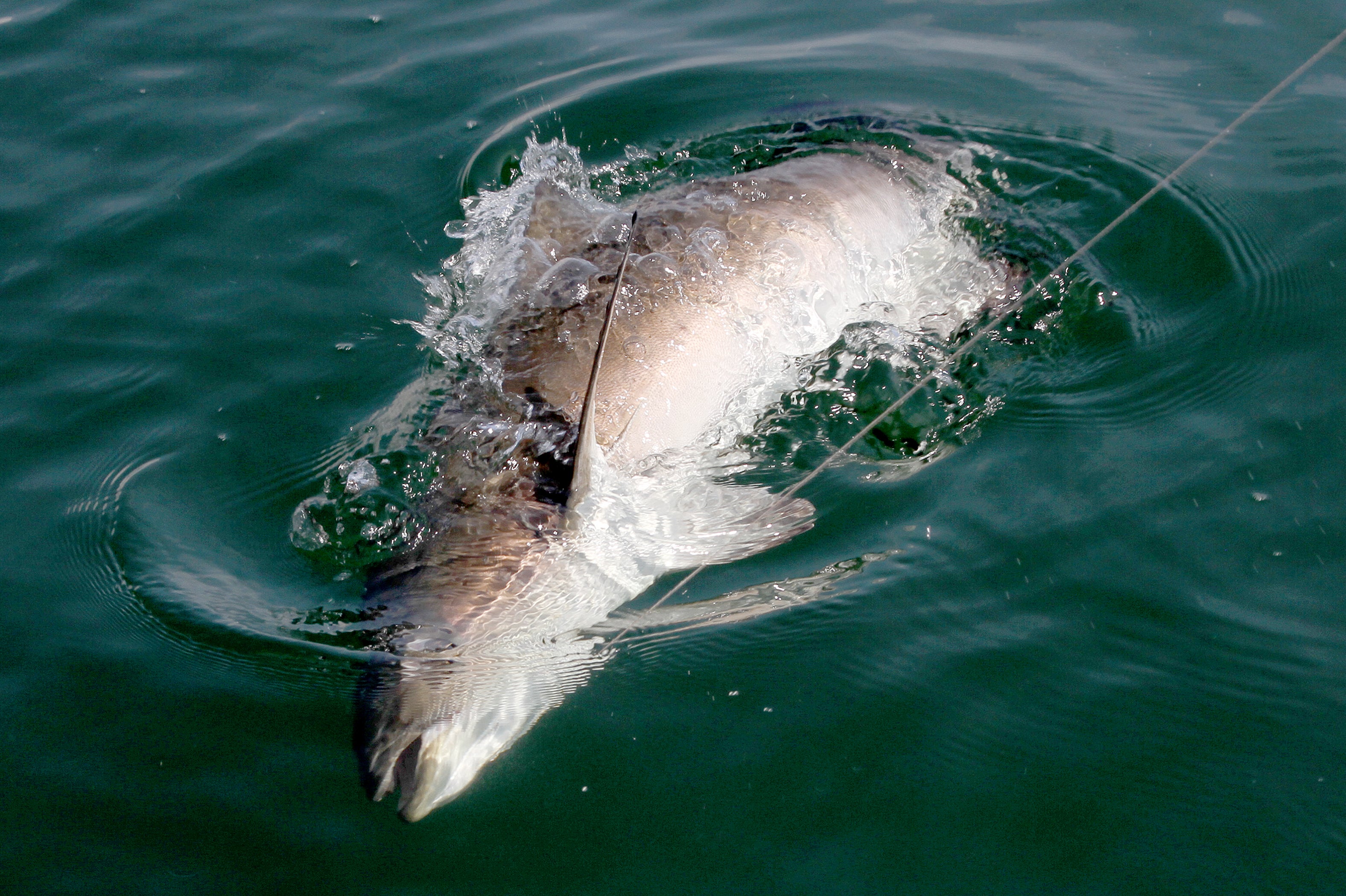
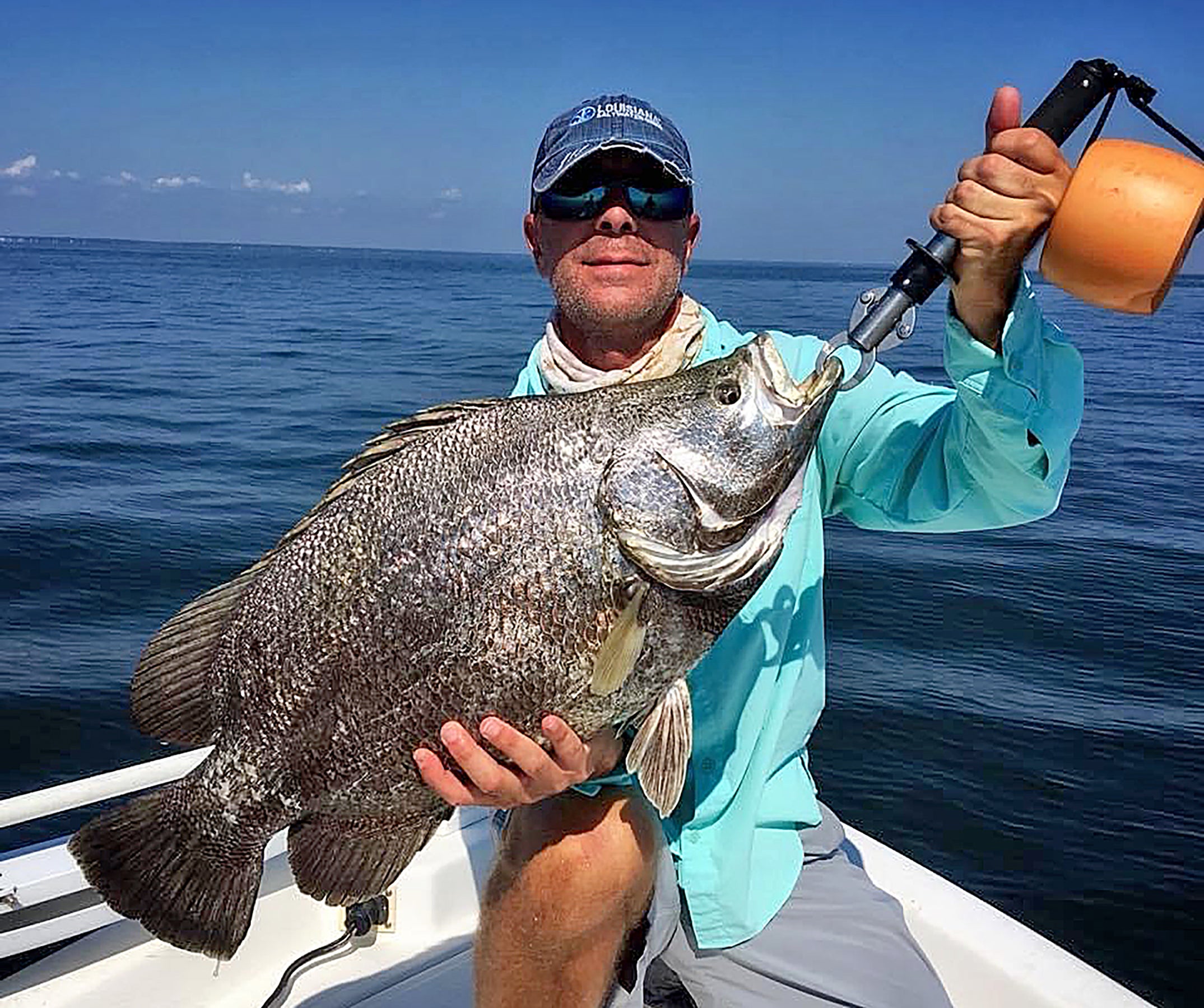
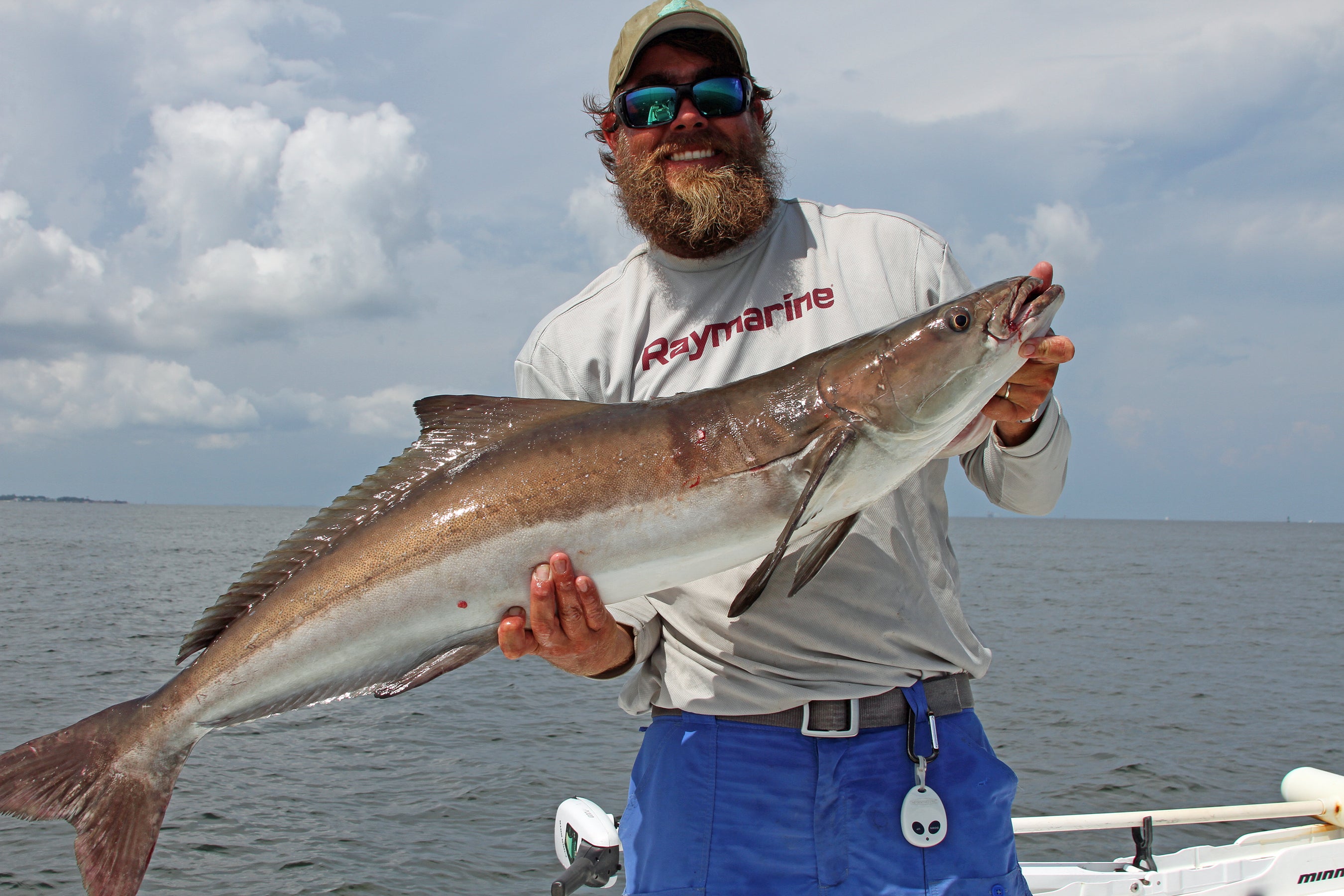
Two saltwater species with little research data will now be the focus of a $5 million study that will encompass all five Gulf states. Dr. Sean Powers of the University of South Alabama (USA) will lead a team to study cobia, a species that had great popularity among anglers several decades ago, and tripletail, a species that has been increasingly targeted in recent years.
Powers, the Director of the Stokes School of Marine and Environmental Sciences at USA, said Alabama Senator Katie Britt and her staff were able to shepherd this funding from the National Marine Fisheries Service to the Gulf States Marine Fisheries Commission (GSMFC) for species that don’t garner national attention. He and Commissioner Chris Blankenship of the Alabama Department of Conservation and Natural Resources (ADCNR) were elated when the grant was announced last week.
“The reason Commissioner Blankenship and I are so excited is we’ve been talking to Senator Britt’s staff about some money to study species that are important to the (Gulf) states but seem to not be priorities for the National Marine Fisheries Service,” Powers said. “This money will be used to address problems from the states’ perspectives. The Senate requested that NMFS study species that didn’t have a lot of data on these, what we call, data-poor species. They are not encountered nearly as often as species like speckled trout and redfish. We just don’t know enough about them to manage them properly.
“Tripletail definitely falls in that category, cobia as well. The thing about those two species is that tripletail are being targeted more and more. For cobia, there’s been a lot more effort directed at those fish during the past decade.”
The success of cobia anglers varies significantly by location. Several decades ago, anglers on the Alabama Gulf Coast geared up for a spring cobia run that produced abundant catches, including state record fish. That migration has fallen to a trickle today, and the study will try to determine why. Cobia is a federally managed species but they are rarely caught farther than 3 miles off the coast. Cobia must be 36 inches fork length, measured from the fork in the tail to the tip of the mouth. The daily bag limit is one per person, not to exceed two per vessel.
“Having grown up on the Alabama Gulf Coast, I can remember how excited anglers were about the cobia spring run,” Commissioner Blankenship said. “Many people had towers on their boats to be able to spot the fish as they cruised down the coastline. Since that time, the migration has waned to the point that it’s not dependable. Strict management measures have helped cobia recover, but we need to understand much more about the migration, which this study is designed to do. I look forward to seeing the results from Dr. Powers and his team.”