By DAVID RAINER, Alabama Department of Conservation and Natural Resources
What do you do after you plan a trip to north Alabama to get in the fall crappie bite and you’re greeted with bluebird skies the day after a cold front? You make lemonade, and the Tennessee River lakes have just the right recipes.
Capt. Brian Barton, Andy Poss and I still wanted to try to catch enough crappie for a small fish fry and headed into the Bear Creek area despite the weather conditions. We found crappie on the forward-facing sonar, but almost all of them had the lockjaw, a common occurrence after a front. We tried small jigs with a minnow, jigs alone and minnows alone, but the crappie just ignored any of the offerings.
The great thing about fishing those lakes, especially Wheeler, Wilson and Pickwick, is the availability of fishing tailraces for anything that will bite a live shad, either a small gizzard shad or threadfin.
After loading Barton’s 23-foot War Eagle boat onto the trailer, we found gizzard shad flicking near the boat ramp on Wheeler. We headed to the Wheeler tailrace with a bait tank filled with the 2- to 3-inch shad. Obviously, as anyone who has fished the tailraces knows, the most productive time to fish is when the generators are running and the water is flowing through the dams.
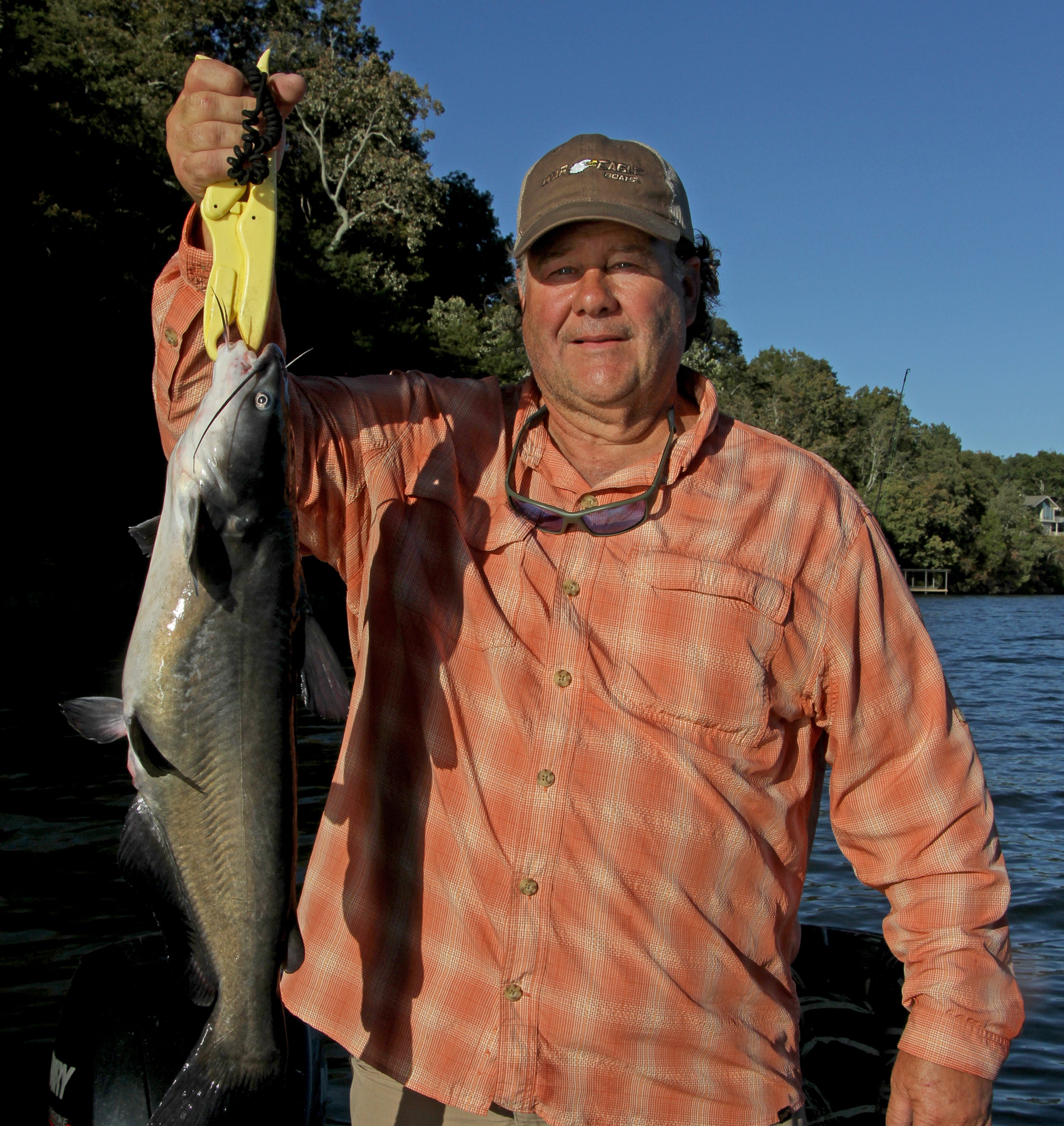
As required by law, we had donned our life jackets before approaching the dam and headed to the edge of the swift current. Drifting a shad down the edge of the current line with just a split shot started producing action. However, you don't get to choose the species. You set the hook and take what you get. It may be bass species, catfish species or freshwater drum (known as gaspergou in Louisiana).
Because we tried to catch crappie first, we were a little late to the bite at the Wheeler tailrace due to the generation schedule, which had shifted from afternoon to morning because of the cool nights.
The next morning, we headed to the Wilson tailrace, which doesn’t have quite the dramatic water flow of Wheeler but is still a highly productive fishing spot. The tactics were similar, finding edges to let the bait drift with the current.
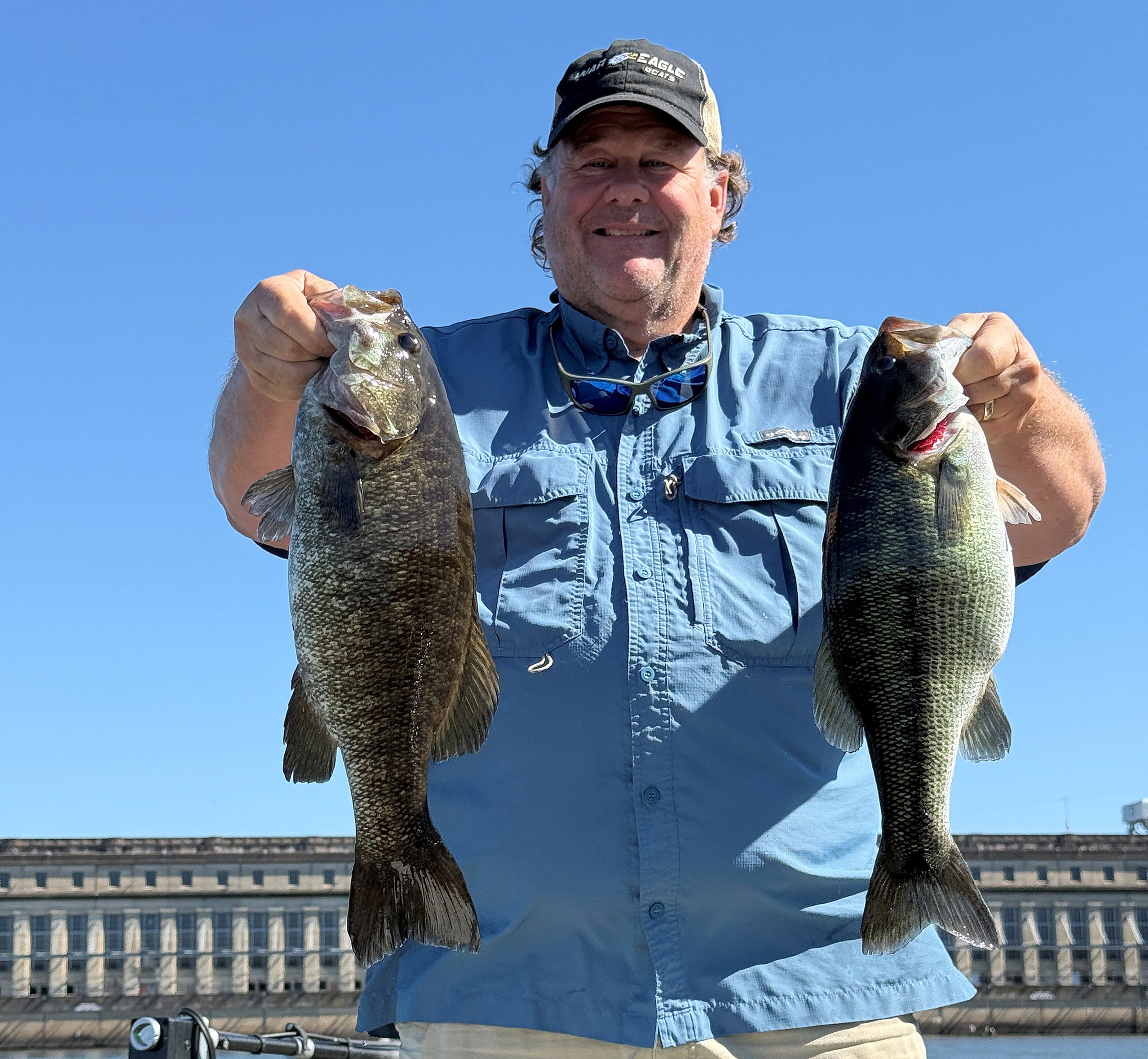
By the end of the tailrace fishing, we had caught catfish (blue, channel and flathead), bass (smallmouth, largemouth, spotted and white) and enough drum to fill a roadside trash can.
“In the fall up here, from the end of September all the way until Christmas, shad migrate to the dams, and everything else follows,” Barton said. “You have multi-species action for about three months, solid. When I have clients, I catch bait before I pick them up, and then we go to the tailraces. We may drift, anchor or Spot-Lock (trolling motor feature using GPS to stay in one location) in different areas, but it will always be with a live shad.”